
Give the finished surface a fair chance
Set out and compacted properly
We focus on levels and compaction so the next stage has a stable, even base.
Efficient site movement
Our own equipment helps with excavation, spoil handling and steady progress on site.
Prepared for the final build
Drainage, formation and sub-base work are completed ready for the chosen surface.
The part you do not see decides everything above it
Groundworks are what stop a driveway sinking, a patio rocking or a parking area holding water after the first proper downpour. Before any finish goes down, we clear the site, excavate, grade the formation, prepare levels and build the compacted sub-base that gives the surface its strength. In Romford, that groundwork often makes the difference between a job that still looks right in years to come and one that starts failing once traffic and weather get to work. It is not flashy, but it is the part that matters when the shovel work is over.
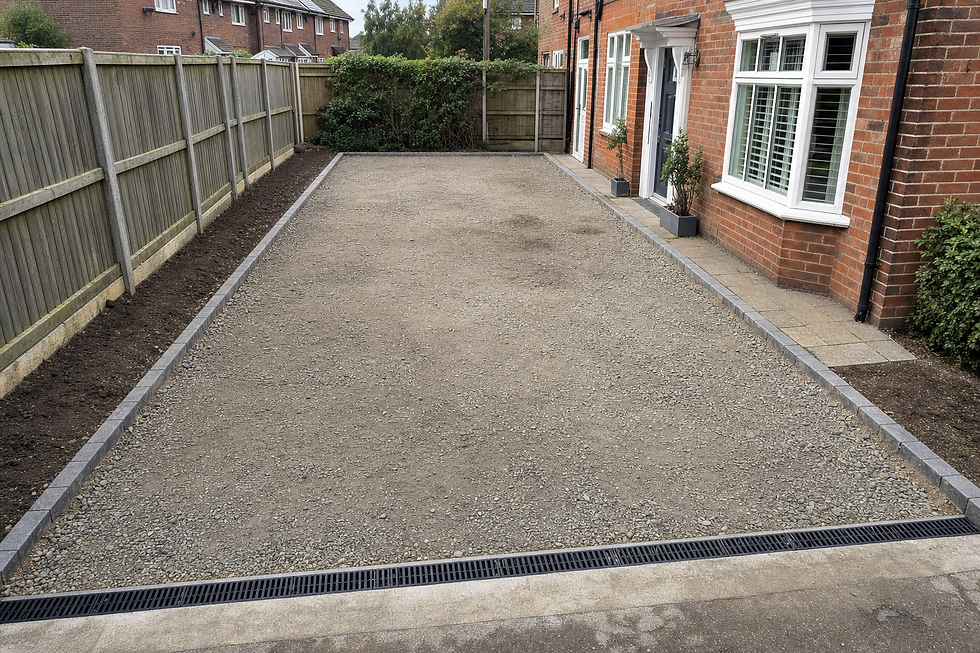
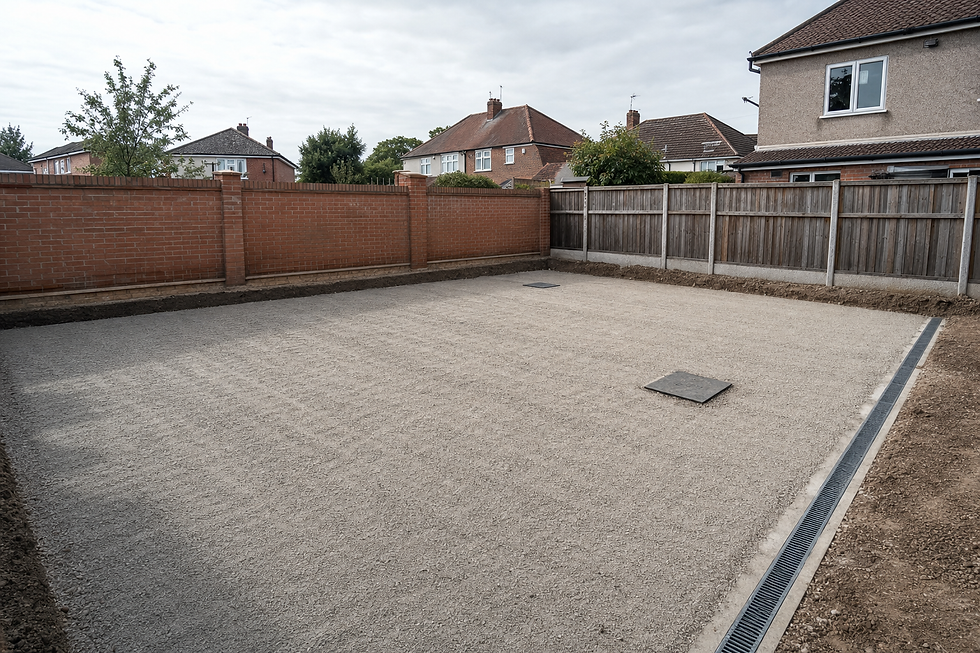
Accurate levels and efficient excavation from the start
No two sites behave the same. Soil condition, old concrete, restricted access, spoil volume, water movement and changes in height all shape the method and the timescale. We handle those practical issues with a small experienced crew and our own excavation equipment, which helps keep the site moving without waiting around for someone else to turn up. Each stage is checked for compaction and level before the next one starts, because rushing the prep is a reliable way to create settlement, soft spots and puddles later on.
Frequently asked questions
What sort of work falls under groundworks?
Groundworks usually covers clearance, excavation, grading, formation levels, compacted sub-bases and drainage preparation. In simple terms, it is the work that gets the site stable, correctly shaped and ready for the finished surface or structure that comes next.
Can you handle sites with awkward access?
Often, yes. Restricted access changes the way we plan the job, but it does not always stop it. We look at entry width, spoil removal, material delivery and the amount of excavation needed during the site visit so the method fits the property rather than fighting against it.
Why does compaction matter so much?
Because loose or poorly compacted material settles later. When that happens, the surface above can dip, move or crack. Taking time to compact the sub-base and check levels properly is one of the best ways to avoid expensive trouble further down the line.